
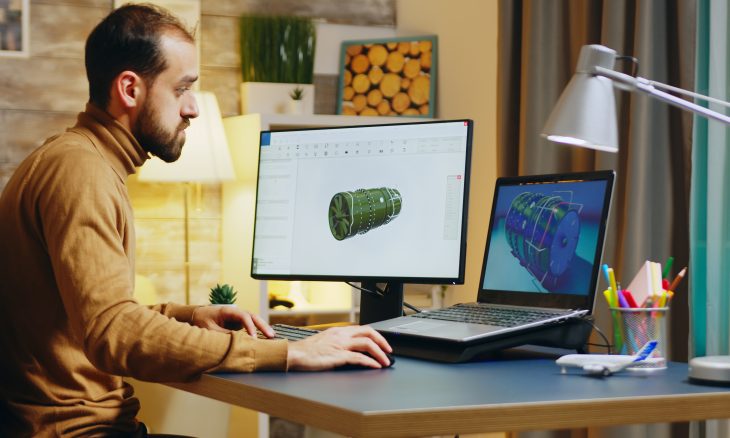
Selling a property that does not exist yet is a significant hurdle. You are asking buyers to invest substantial capital based on a flat drawing or a basic sketch. This often creates a massive gap between your architectural vision and the buyer’s comfort level.
Modern developers are now using 3D animation to bridge this gap. It transforms a technical blueprint into a relatable, living experience. It moves the conversation away from “What is this?” and directly toward “When can I move in?”
The Psychology of Pre-Visualization
Pre-sales often stall because of investor anxiety. Most people struggle to visualize 3D space from a 2D image. 3D rendering software and animation remove that mental hurdle by providing photorealistic clarity. When a buyer can see the exact texture of the marble or the way natural sunlight hits the hardwood floor, the perceived risk drops.
Walking through a virtual home has a deep psychological impact. It builds immediate trust. You are not just showing a layout; you are proving that the final product will match the marketing promise. This level of transparency speeds up the sales cycle by eliminating the fear of the unknown.
Interactive Customization and Buyer Choice
Static images are passive, but modern animation is interactive. Today’s buyers want to feel like they are part of the creation process. By leveraging 3D assets, you can allow clients to swap kitchen materials or flooring finishes in real-time during a presentation.
This level of engagement turns a spectator into an owner before the ground even breaks.
Operational Efficiency
This isn’t just a sales gimmick. When a client confirms their finishes through a 3D interface, it streamlines the decision-making process for construction teams. It reduces expensive late-stage change orders and ensures the project stays on schedule.
Selling a Neighborhood Narrative
Architecture does not exist in a vacuum. A home is defined by its environment and lifestyle. Modern 3D animations now incorporate living elements to make a scene feel authentic. This involves adding 3D-scanned people, moving traffic, and swaying trees to simulate a real neighborhood.
Lighting cycles are a vital part of this narrative. You can show the home at dawn, high noon, and golden hour. Let the buyer see how the atmosphere of their living room changes throughout the day. This emotional storytelling shifts the buyer’s focus from square footage to the daily experience of living there.
High ROI Through Marketing Integration
One of the biggest advantages of investing in high-end 3D assets is their incredible versatility. You do not just get a single video; you get a library of digital content. These assets can be repurposed across multiple channels for maximum reach.
- Social Media: Slice long animations into high-quality reels or shorts for Instagram and TikTok.
- Web Presence: Use 3D flythroughs as immersive hero videos for project landing pages.
- Global Reach: Sell to international investors who cannot visit a physical showroom but can explore a virtual one.
- Conversion Metrics: Data shows that real estate listings with 3D flythroughs see a massive lift in conversion and time-on-page compared to traditional 2D floor plans.
In a competitive market, 2D drawings are no longer sufficient. 3D animation provides the transparency buyers demand and the marketing power developers need to reach “sold out” status before the foundation is even poured.
